This morning, before I’d even opened my eyes, I knew. Not from a calendar reminder or a “you’re due for a flare-up” ping. Just the weight of my own body. Heavy. Cement-heavy. Fire-in-my-veins heavy.
Welcome to the delightful surprise party that is chronic illness. No RSVP needed. You just… wake up in it.
The Flare Days You Don’t See Coming
Some flares sneak up on me. Others kick the door down and announce themselves with full-body spasticity, shooting nerve shocks, and hands that feel like they’ve been beaten with hammers. Today it’s the latter.
My feet and calves are twitching like live wires, and my hands are stiff, aching, and protesting even this act of typing. Vision? Blurry. Pain? Electrical. Plans? Cancelled.
And here’s the kicker: I used to ignore this. I’d push through. Slam a Red Bull, down some coffee, and throw myself into work like I was invincible.
Spoiler: I’m not.
Before Chronic Illness, “Rest” Was an Afterthought
Rest used to mean feeling guilty. Lazy. Weak. I grew up in a culture of “hustle harder” and “push through the pain.” Rest was what you earned once everything else was done, except everything else was never done.
So I’d rest, sure. For twenty minutes. While scrolling. Or I’d lie in bed with my laptop, answering emails like a good little burnout-junkie.
Turns out, that’s not rest. That’s just horizontal productivity.
Now? Rest Is a Ritual
Rest is no longer a break; it’s a boundary. It’s a ceremony.
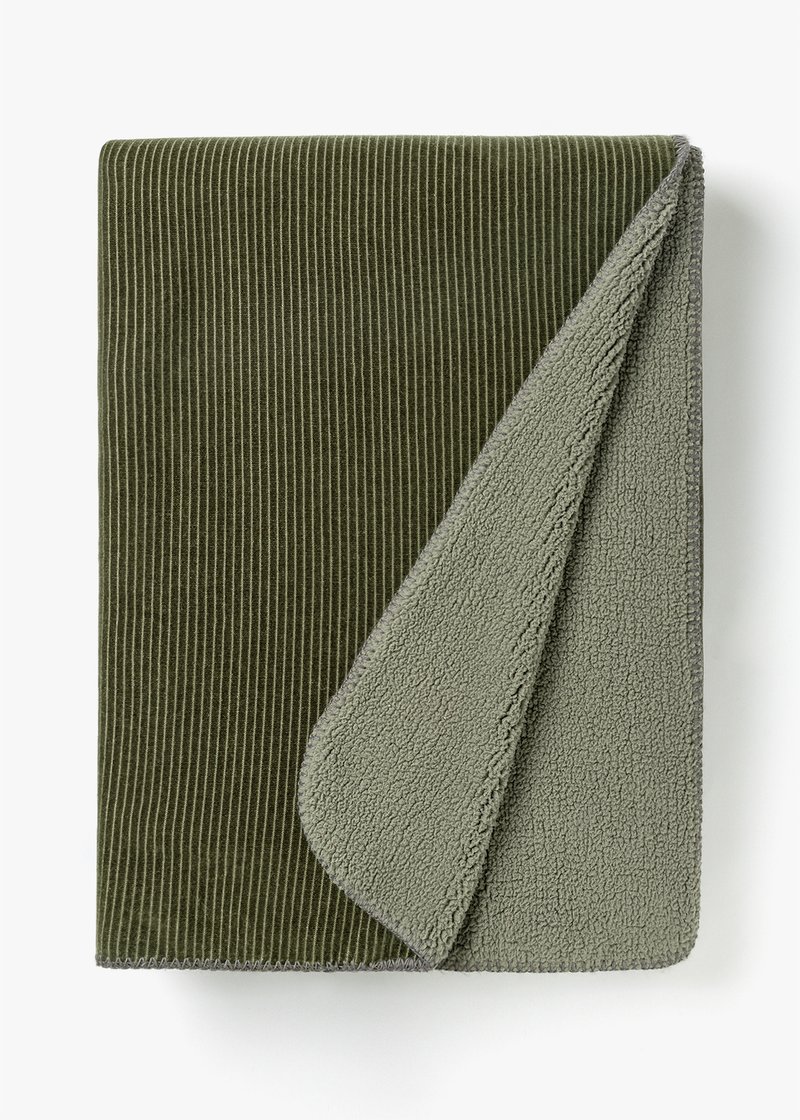
The bed is made, properly made. Soft, high-quality linen. No scratchy textures. My skin is too sensitive, and my nervous system too fried, for anything but comfort.
Sounds of nature fill the room. Crickets. Forests. Sometimes just silence, blessed and still.
Lavender floats through the air, either from a candle or a diffuser, because my brain needs cues that it’s safe to exhale.
Baths with Epsom salts when I can manage it. Lavender-infused again. Heat is magic. Fun fact: so is Lavender.
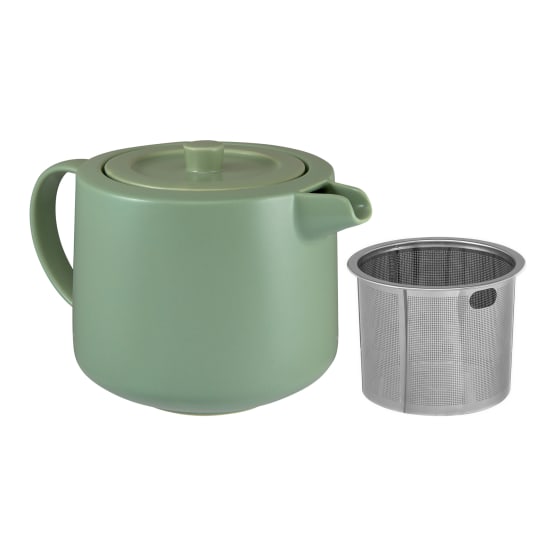
And always, always tea. Sometimes a fancy store-bought herbal one, sometimes a wild little blend of whatever’s in the fridge: fresh ginger, honey, lemon, mint, berries. I long for a proper teapot with a built-in infuser. I’ll get it one day, fingers crossed.
There was a moment, a real one, when I realised: rest is not a luxury. It’s not a nap. It’s not working from bed. It’s not multitasking with a heating pad on.
Rest is permission. Permission to shut off. To stop proving yourself. To not be available to everyone all the time.
I finally saw what my body was begging me for: clear boundaries. Not “I’ll just do this one last thing.” Not “It’s fine, I can take that call.” But a full switch-off, emotionally, physically, and mentally.
Friday to Monday. No clients. No guilt.
Just… recovery.
If My Body Could Speak…
It would say:
“You call this rest?! Give me real rest or I’ll force it out of you.”
And honestly? Fair.
Because my body has forced it out of me before. Through flares. Through burnout. Through collapse.
Rest Isn’t Weakness, It’s Wisdom
If you’re living with chronic illness, or even just carrying too much life in your bones, you don’t need permission to rest. But I’ll give it anyway:
Let your rest be lush. Let it be soft. Let it be sacred. Let it be enough.
Links are for reader convenience only and have not been sponsored unless otherwise noted. I only share things I truly use and love. If you have something you believe should be on this list, drop me an email, and I’ll be happy to give it a try.
If this post helped you feel seen or reminded you to rest, consider buying me a tea. It helps support my work, and keeps this blog alive and well (even when I’m not).
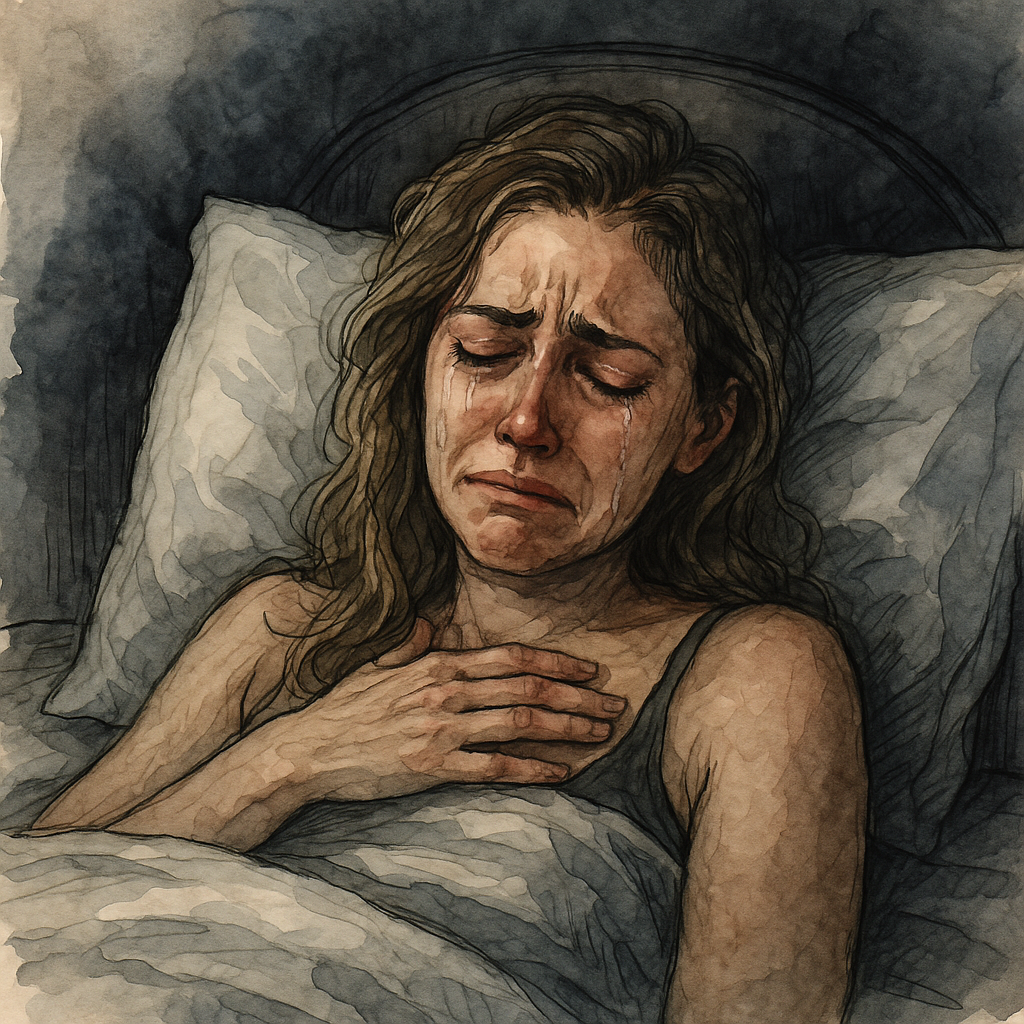
It feels like fire in my veins. That kind of pain. The pain that makes you shake not from fear but from sheer bodily revolt. Electric shocks snap through me like I’ve been rigged up to a sadistic little taser and someone’s got a trigger-happy finger. It’s Tuesday morning, and I’m trying to hold back tears while typing this, because even typing feels like a bloody expedition.
This latest MS flare kicked off just after midnight Sunday, that weird, ghostly hour when the world is silent and your body chooses to riot. My fingers are stiff; they don’t want to move. My thoughts are flickering—like a dodgy lightbulb in a horror film.
And then it rains.
Bugsy, The Windscreen Wiper Assassin
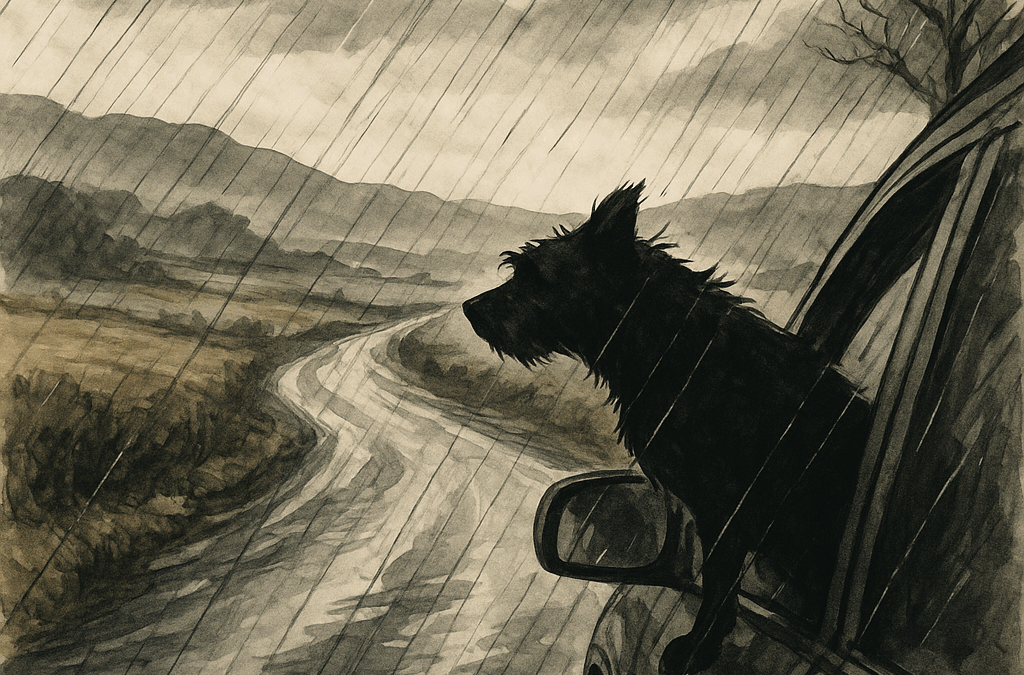
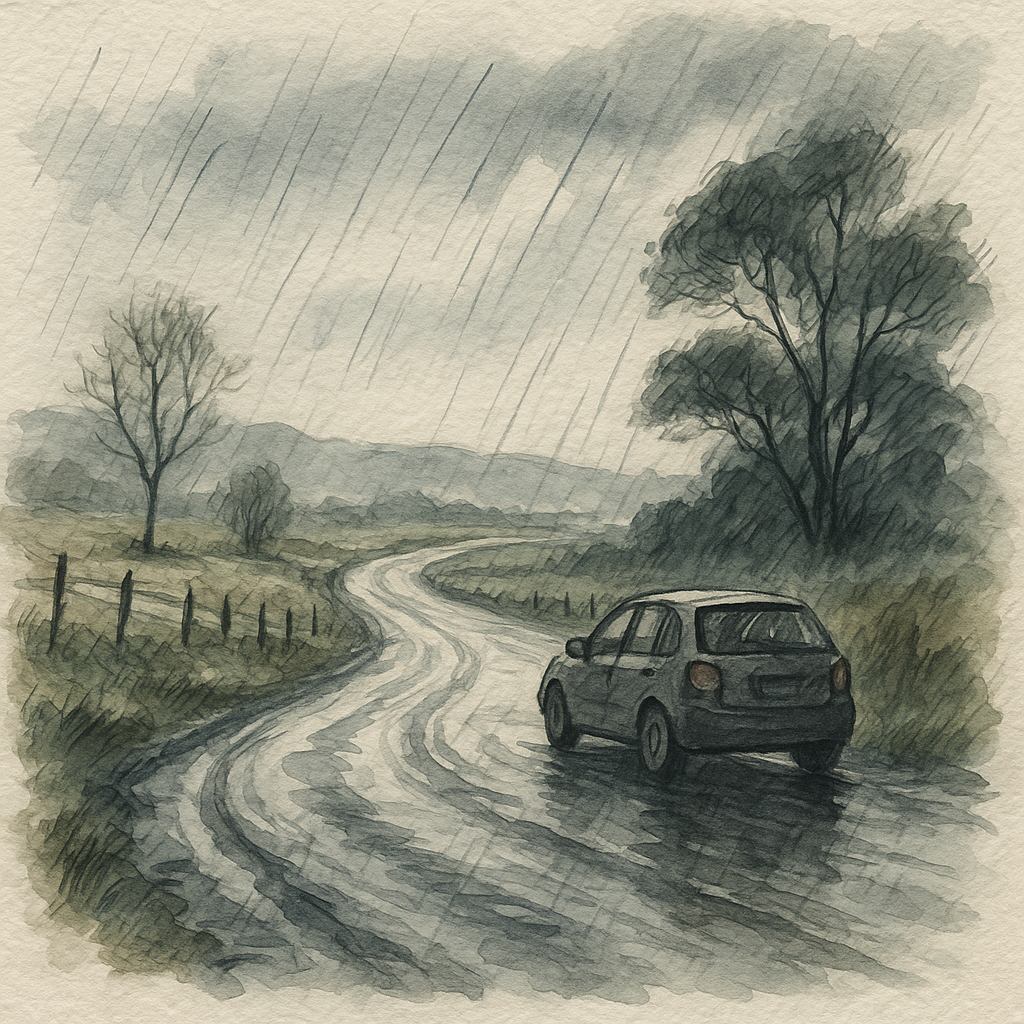
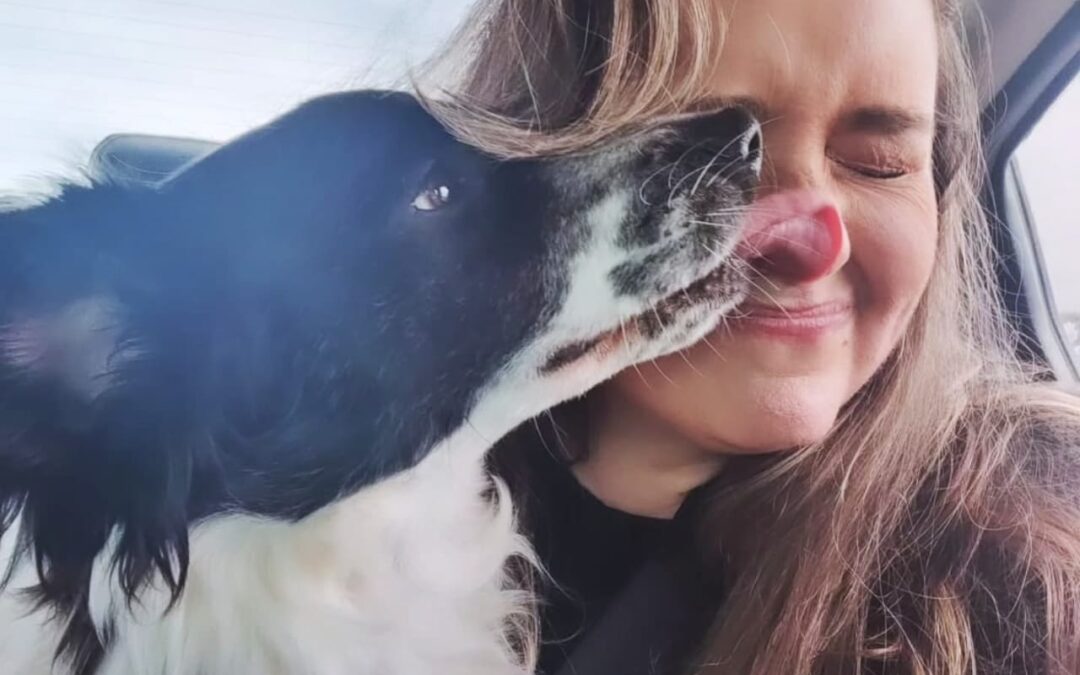
The irony is thick: the one day I am at my most broken, the sky follows suit. Not a gentle drizzle. No, today it’s an angry, theatrical downpour. Bugsy—my ride-or-die, neurotic rescue dog—decides the windscreen wipers are obviously murderers. Every time they swipe, he lunges at the dashboard like he’s in a high-stakes action film and sinks his teeth into the once-beautiful leather seats. We have to head back to our town today. When I’ve managed to gather the strength or energy, we’ll hit the winding farm roads, half-swallowed by floods. Note to self: get life jackets to keep in car. My hands will barely grip the steering wheel, thank fuck for power steering, and my muscles will spasm with each bump in the road. And this is Africa, we have nothing but bumps in the road.
In Afrikaans, we have a saying, “ek voel vere.” It literally means, “I feel feathers,” but what it actually translates to is: I don’t give a damn. Today, I voel vere for everything outside this pain. Bills, emails, deadlines, they can all burn. I have a battle to fight, an onslaught to defend myself against, and a body to survive.
But here’s the kicker: I’m generally a sunny person. Not toxically positive, but cheerful. It’s unsettling to feel like I’ve been spiritually mugged in a dark alley of my own nervous system.
Summer’s Cruel Heat, Winter’s Damp Betrayal
Summer here hits 44° Celsius (that’s 111° Fahrenheit for my metric-challenged readers). That heat is its own private hell: it strangles your lungs, turns your brain to soup, and turns MS symptoms into a kind of demonic opera.
But winter? Oh, winter has its own weapons. Cold, wet air that drowns your lungs, drags bronchitis in like an uninvited guest. Sometimes even pneumonia.
Out of the frying pan, straight into the fucking fire.
But There’s a Silver Lining. Always.
Change is here. That counts. Even if it’s a shitstorm wrapped in fog. They say a change is as good as a holiday. Not sure who “they” are, but maybe they’ve been through something too.
Today, this is the best I can do: get through the drive. Hold Bugsy back from annihilating the car or me. Breathe through the fire in my limbs. And write it down, so tomorrow I don’t gaslight myself into thinking it wasn’t that bad.
If you’re in your own flare, of pain, grief, rage, consider this a hand squeezed in solidarity.
Hold on. Even feather-light resistance counts.
If this piece held your hand for a moment or made you feel a little less alone in your own firestorm, consider fueling my next journal entry with a warm cuppa. Bugsy and I run on caffeine and courage.
Editor’s Note This one’s for the tired ones. The ones still standing, barely, because they had to be. I wrote it for the part of me that still thinks asking for help is weakness, even when I know better. It’s not polished. It’s not pretty. But it’s real. For anyone who’s ever had to fight to find their people, this is for you.
These Weary Bones
oh these weary bones that rattle like a snake deceived by a mind that won’t shut up the motormouth spinning stories, dizzying the insides of my head.
I rose from nothing, like a loaf left too long in the oven punched, kneaded, left to burn.
I’m no damn island. more a battered village clinging to a cliffside. fingernails split. hands bloodied. still, holding on.
a stubborn mule clutching pride even as hands reach out. I know I’m not alone.
this world all rage and righteous rot. keep your petty poppycock step the fuck aside if all you bring is cruelty and showmanship.
no space left on this rock for exploding egos and fair-weather saints. I’ve bled too much to share ground with cowards.
The Comfort of a Clan
I’m tired. Not the “I stayed up too late” kind of tired. No, I’m talking about the kind of tired that lives in your bones. The kind that whispers, “you’re doing too much again,” even while you keep pushing. My MS flares love to remind me what happens when I don’t listen.
Still, I keep going. And honestly? I’m not even sure how.
But here’s one truth I know: I am incredibly lucky. I’ve got a clan. A real one. A village. A tribe. A group of humans who love me hard, hold me up, and never ask for anything in return but the truth. I think of the people who don’t have that, who face the grind alone, and my heart breaks a little.
Yes, I feel sorry for myself sometimes. I think that’s normal, especially when your body betrays you. But even then, I remind myself, I am one of the lucky ones. I don’t have to do this alone.
Well, except I often try to.
Because, truth be told, I am a stubborn old bag. Asking for help doesn’t come naturally to me. I’ve been fiercely independent for over 16 years. Before that? I was stuck in a situation where I had no choice but to rely on someone who resented every second of it. It nearly broke me. But I got out. With the help of my family and years of therapy, I found myself again.
So no, I don’t like asking for help. It reminds me of what it used to cost me. But these days, my body doesn’t give me the luxury of pride. And I’m learning, slowly, to trust that help doesn’t always come with strings.
For the first time, I’m in a relationship that feels like home. Not perfect. Not a rom-com. But real. Equal. Honest. Communication is the currency, not control. We walk beside each other, no one dragging the other along. It took me long enough to find this. But god, it was worth the wait.
Here’s something else I’ve learned: Surrounding yourself with the right people? It’s everything.
I’ve trimmed my circle right down in recent years. No room for the energy vampires, the performative friends, the ones who disappear when things get hard. I don’t need a crowd. I need a few solid souls who remind me who I am when I forget. Who challenge me, support me, and never let me shrink.
You don’t have to agree on everything, politics, religion, parenting styles, or pineapple on pizza. What matters is respect. Empathy. The ability to sit across from someone and say, “I don’t get it, but I’m here.”
Imagine a world where that was the norm instead of the exception. Imagine a culture built not on outrage and ego, but on kindness and curiosity.
Yeah, I know. Sounds like a pipe dream. But honestly? I think it starts with us. With our little villages. By refusing to let the world make us bitter. Choosing over and over to love louder than the noise.
It still takes a village. Maybe now more than ever.
And I’m holding onto mine with everything I’ve got.
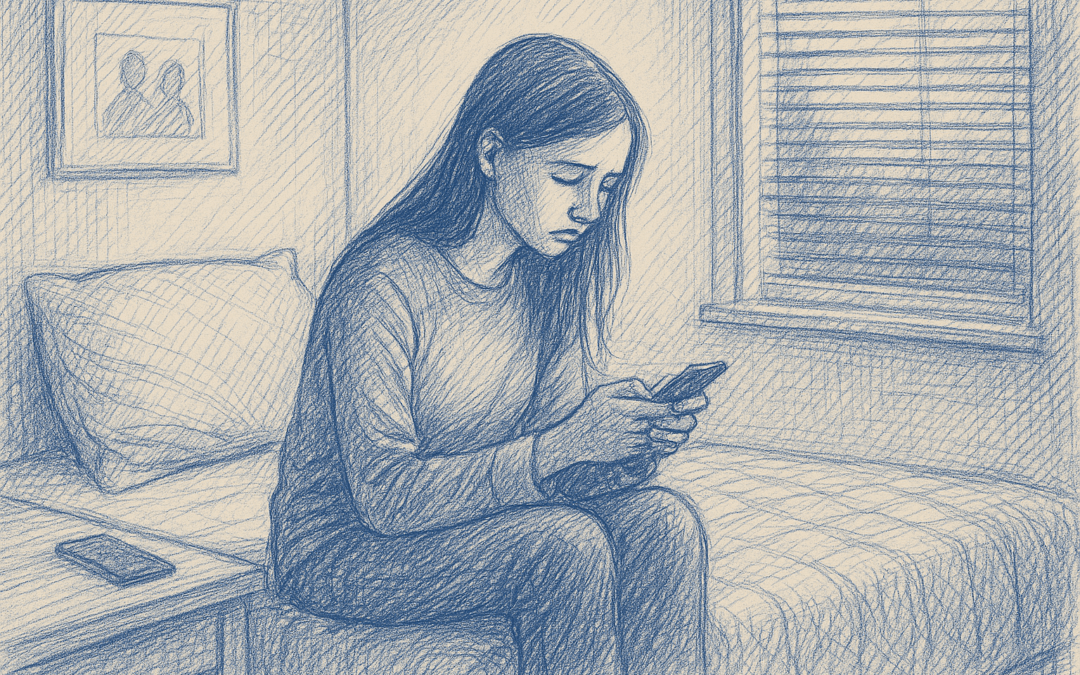
It’s 2:47 a.m. and I’m scrolling through Instagram, watching strangers toast champagne in Santorini, cuddle golden retrievers, and post “raw” captions that somehow still feel filtered. I’m not sad, exactly. But I’m not okay, either. I’m lonely. And I know I’m not alone in that.
In a world where we can FaceTime across oceans and “like” a hundred photos before breakfast, why do so many of us feel so disconnected? The answer is messy, layered, and deeply human if we’re brave enough to look.
The Digital Age: More Screens, Fewer Souls
We were promised connection. Instead, we got curated highlight reels and dopamine loops. A 2025 Baylor University study found that both passive scrolling and active posting on social media were linked to increased feelings of loneliness over time. Even when we’re engaging, we’re often left feeling emptier than before.
It’s not just the quantity of our interactions that’s changed, it’s the quality. We’ve traded deep conversations for comment threads, shared silences for typing indicators. And in doing so, we’ve lost something vital.
The Health Toll: Loneliness as a Silent Epidemic
Loneliness isn’t just a feeling; it’s a health crisis. The U.S. Surgeon General has equated the health risks of chronic loneliness to smoking 15 cigarettes a day. It increases the risk of heart disease, stroke, dementia, and premature death.
Mental health suffers, too. Lonely individuals are more prone to depression, anxiety, and suicidal ideation. The emotional pain of isolation can be as real and as damaging as physical pain.
The Vicious Cycle: Social Media and Loneliness
It’s a cruel irony: we turn to social media to feel connected, but it often leaves us feeling more isolated. A longitudinal study among Chinese college students found a bidirectional relationship between loneliness and problematic social media use—each feeding into the other over time.
The more we scroll, the lonelier we feel. And the lonelier we feel, the more we scroll. Breaking this cycle requires conscious effort and, often, a reevaluation of our digital habits.
The Generational Divide: Gen Z and the Loneliness Surge
Gen Z, the first generation to grow up entirely in the digital age, is experiencing unprecedented levels of loneliness. A 2025 report revealed that one in four young Australians reports loneliness as a daily stressor. Social media, while offering avenues for connection, often exacerbates feelings of isolation among youth.
The constant exposure to others’ curated lives can lead to feelings of inadequacy and exclusion, further deepening the chasm of loneliness.
The Illusion of AI Companionship
In an attempt to address the loneliness epidemic, tech leaders like Mark Zuckerberg have proposed AI companions as a solution. While AI can offer temporary comfort, it cannot replace the depth and complexity of human relationships. Overreliance on AI risks diminishing the value of genuine human interaction and may lead society to neglect essential social infrastructure.
True connection requires vulnerability, empathy, and shared experiences—qualities that AI, no matter how advanced, cannot authentically replicate.
Reclaiming Connection: Steps Toward Healing
Addressing loneliness in the digital age requires intentional action:
Digital Detox: Set boundaries for screen time. Designate tech-free zones and times to foster real-world interactions.
Community Engagement: Participate in local events, volunteer, or join clubs to build meaningful relationships.
Mindful Technology Use: Use social media intentionally. Engage in content that uplifts and connects rather than isolates.
Seek Support: If loneliness becomes overwhelming, reach out to mental health professionals or support groups.
By taking these steps, we can begin to rebuild the social fabric that technology has, in some ways, unraveled.
A Personal Reflection
I remember a time when I felt truly connected—not through likes or comments, but through shared laughter and unfiltered conversations. It was messy, imperfect, and real. In our pursuit of digital perfection, we’ve lost sight of the beauty in imperfection.
Let’s choose to be present. To look up from our screens and into each other’s eyes. To embrace the awkward silences and the unfiltered moments. Because in those spaces, true connection thrives.
There’s something about autumn that feels like a deep exhale.
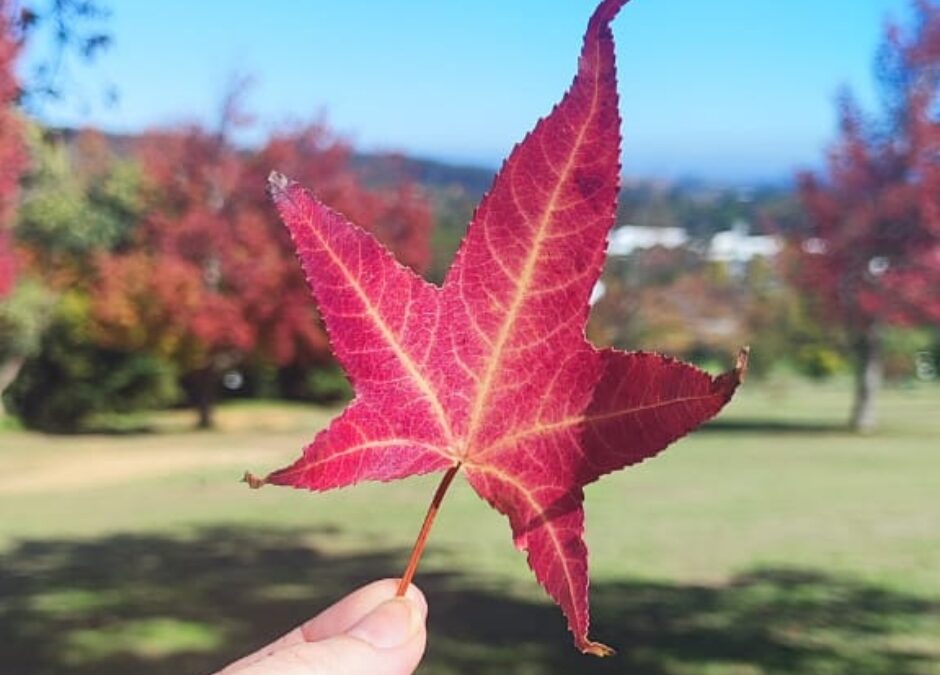
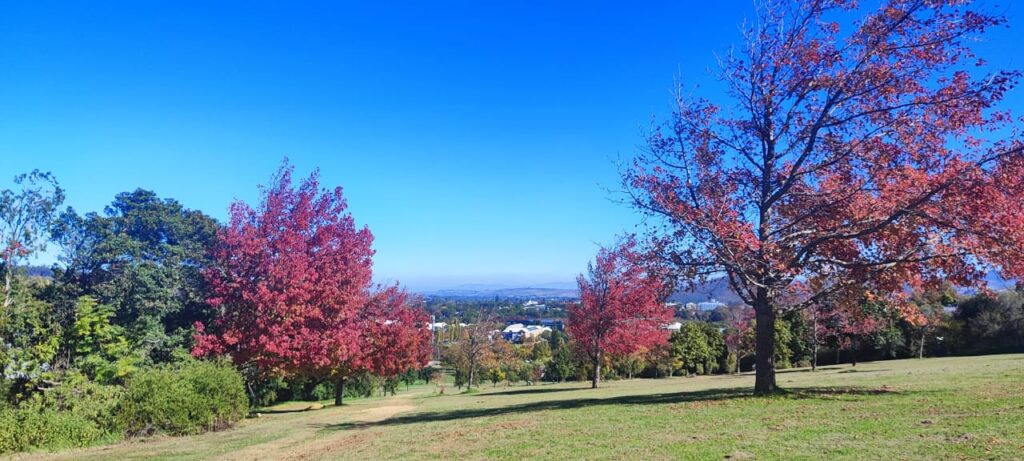
Maybe it’s the way the trees let go of their leaves without resistance or how the light softens, casting everything in a golden glow. In Stellenbosch, autumn isn’t just a season; it’s a full-body experience. The streets are lined with trees turning fire red, the vineyards stretch out in amber and gold, and the mountains stand quietly in the distance, cloaked in shifting light.
For those of us navigating trauma recovery, this season offers more than beauty. It mirrors the process of emotional healing: the letting go, the slowing down, the quiet preparation for what comes next.
The Science of Letting Go: Nature’s Blueprint for Recovery
As the days shorten and temperatures drop, trees begin conserving energy. They stop producing chlorophyll, revealing the reds and oranges that were there all along. This isn’t about decay. It’s about wisdom. About trusting the cycle.
Just like the trees, we too need seasons of rest. Healing from trauma or chronic stress requires periods of pulling back—of turning inward, conserving energy, and allowing space for repair.
Letting go doesn’t mean failure. It means preparing the soil for growth.
Grounding Practices Inspired by Autumn
In trauma recovery, grounding practices help bring us back to the present moment, to safety and stability. And autumn is rich with grounding sensory experiences:
Sight: Fire-coloured leaves, long shadows, golden sunsets.
Smell: Earthy moss, fallen leaves, woodsmoke.
Touch: Crisp air on your cheeks, the texture of bark, the crunch of leaves underfoot.
Sound: Wind whispering through the trees, migrating birds, footsteps on gravel.
These sensory cues are more than poetic; they’re therapeutic. They help anchor our nervous systems, soothe our overstimulated minds, and reconnect us with the world.
Stellenbosch in Autumn: A Sanctuary for Mental Health
Stellenbosch is a balm this time of year. The oak-lined streets feel like old friends. The vineyards are dressed in their autumn best. Jonkershoek Nature Reserve offers trails lined with gold and crimson, each step a gentle meditation.
There’s something profoundly healing about walking through this fire-hued landscape. Whether you’re sipping tea on a quiet stoep, journaling beside a vineyard, or watching the light shift through red leaves, autumn in Stellenbosch invites you to slow down. To breathe. To feel.
Even a single mindful walk, a moment of awe, or a pause under a tree can become a healing ritual.
Emotional Healing Through Seasonal Shifts
Autumn gives us permission to change. To soften. To stop performing resilience and simply be.
It reminds us:
That shedding isn’t weakness.
That pausing is productive.
That healing is not linear.
So if you’re feeling the pull to retreat, to reflect, to let go of something you’ve been carrying too long, trust it. The season is holding space for you.
Enjoying the blog? Please consider sending me a cuppa to keep the engines running.