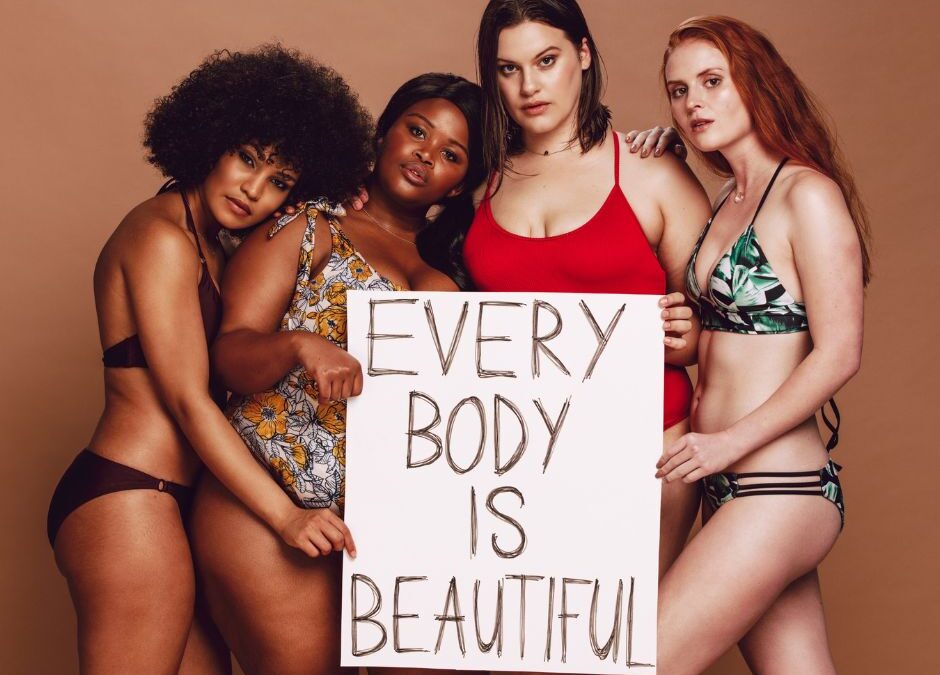
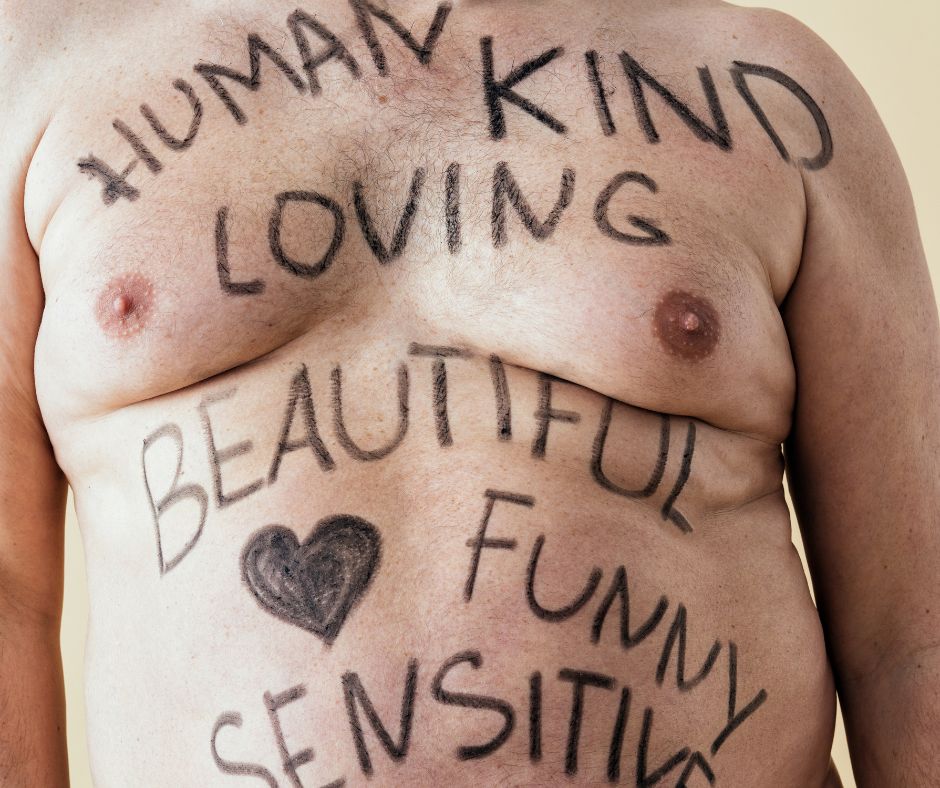
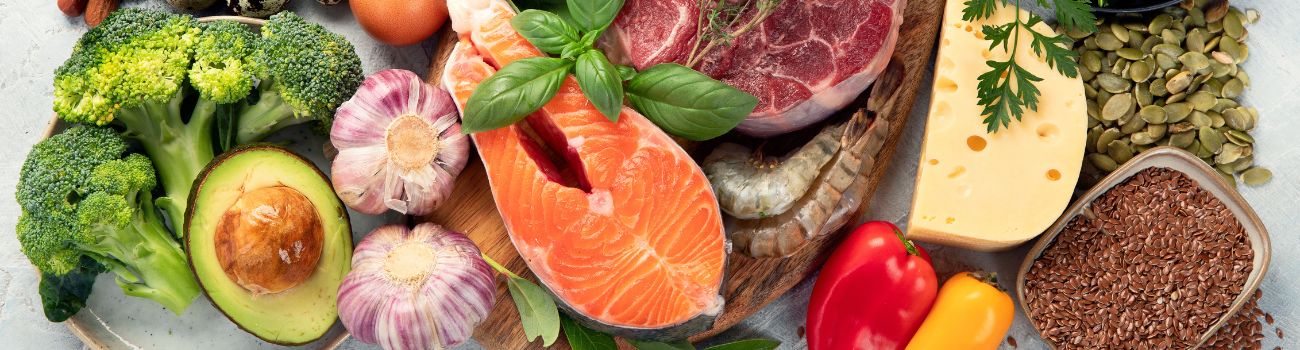
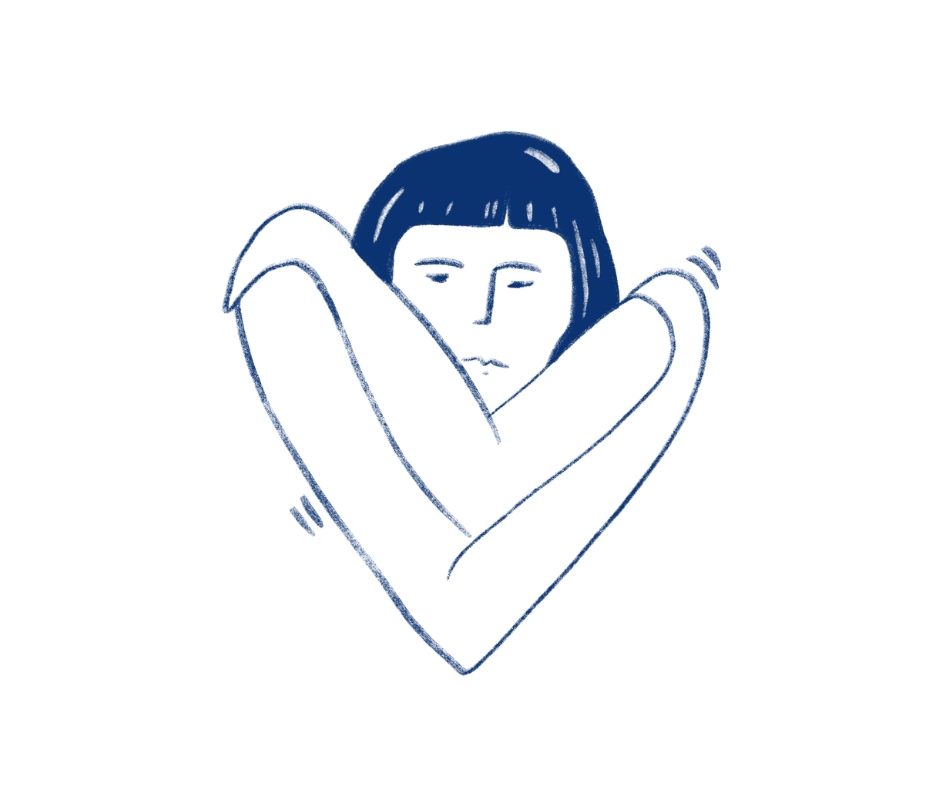
Here’s something I wish someone had handed me like a glass of cold water in the middle of a body-image meltdown: talking about weight doesn’t have to be an act of war against yourself.
But for a lot of us? It is. Or it has been. Or it’s still whispering in the background every time we say we’re “body neutral” but silently pull our shirt down before we sit.
This is the first in a series I never thought I’d write. Not because I don’t think about weight; I do, more than I want to admit, but because this conversation comes loaded with shame, confusion, and about twelve inner critics screaming at once. It should come with a trigger warning and a therapist on call.
But avoiding it hasn’t made it go away. It’s just made it lonelier. So yeah, we’re talking about it. Honestly. No thigh-gap propaganda. No smoothie cleanses. No shame spirals. Just truth, complexity, and a serious side-eye at diet culture.
Why talk about weight at all?
Because weight is never just a number. It’s a story. Or more like a thousand stories:
That time a doctor talked to you like your BMI was a personality flaw.
The jeans you swore you’d “earn” back.
The compliment that felt like a warning.
The breakup you blamed on your thighs.
The silent math you did before every meal.
Weight is memory. It’s grief. It’s every time someone taught us, explicitly or not, that our value had a dress size.
But also? It’s embodiment. Your body carries you through life. Through joy and loss and orgasms and hangovers. Through parenting, periods, dancing, surgery, and grief. It deserves care. But the way we’ve been taught to care for it? Mostly bullshit.
The emotional landmine of the word “diet”
Say it with me: diet.
Did your shoulders tense up? Mine did. It’s a word soaked in guilt, rebellion, hunger, and spreadsheets of sins. For many of us, “diet” means war; against our bodies, our cravings, and our sanity.
And now we’ve just rebranded it: “wellness,” “clean eating,” “biohacking.” Same control, different font.
But what if food wasn’t punishment? What if hunger wasn’t a moral failing? What if eating wasn’t something we had to earn?
This is where body trust comes in. It’s radical. It’s messy. And it starts with unlearning the idea that your body is a wild animal that needs to be tamed.
Respect > Restriction
I’m not here to sell you weight loss. I’m here to talk about body respect.
That might include weight loss. Or not. It might mean more movement. More rest. Less people-pleasing. More carbs.
It might mean feeding yourself like someone who matters.
Because weight loss, if it happens, should be a side effect of listening, not loathing. Not fixing. Not performing.
This isn’t about control. It’s about connection. It’s about neutrality over perfection. It’s about the kind of love that isn’t conditional.
Your body isn’t an algorithm
Your body doesn’t speak in macros or TikTok challenges. It doesn’t care what your fitness tracker says. It communicates in much quieter ways:
The ache in your shoulders after a day of pretending.
The craving for something warm when the world feels cold.
The anxiety that flares when you skip meals in the name of discipline.
The tears you swallow when you catch your reflection and feel like you failed.
This body? It’s not broken. It’s talking. Are you listening?
Because the minute you stop outsourcing your cues to apps, influencers, and medical charts, you remember something: you already know.
What you need isn’t another damn plan. You need presence. You need compassion. You need to stop treating your body like a battlefield.
So yeah. Let’s talk about weight.
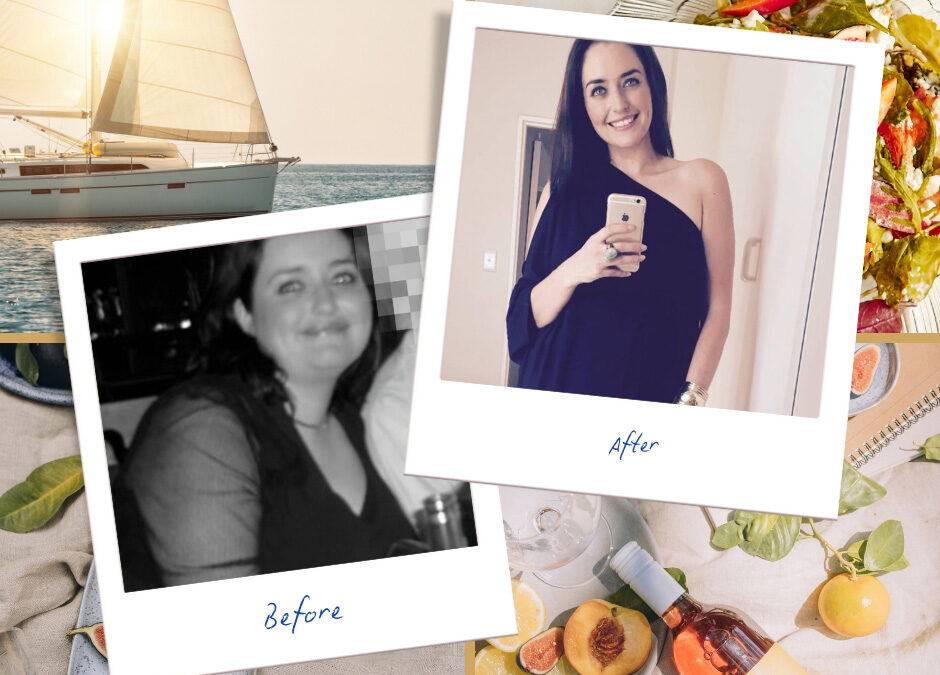
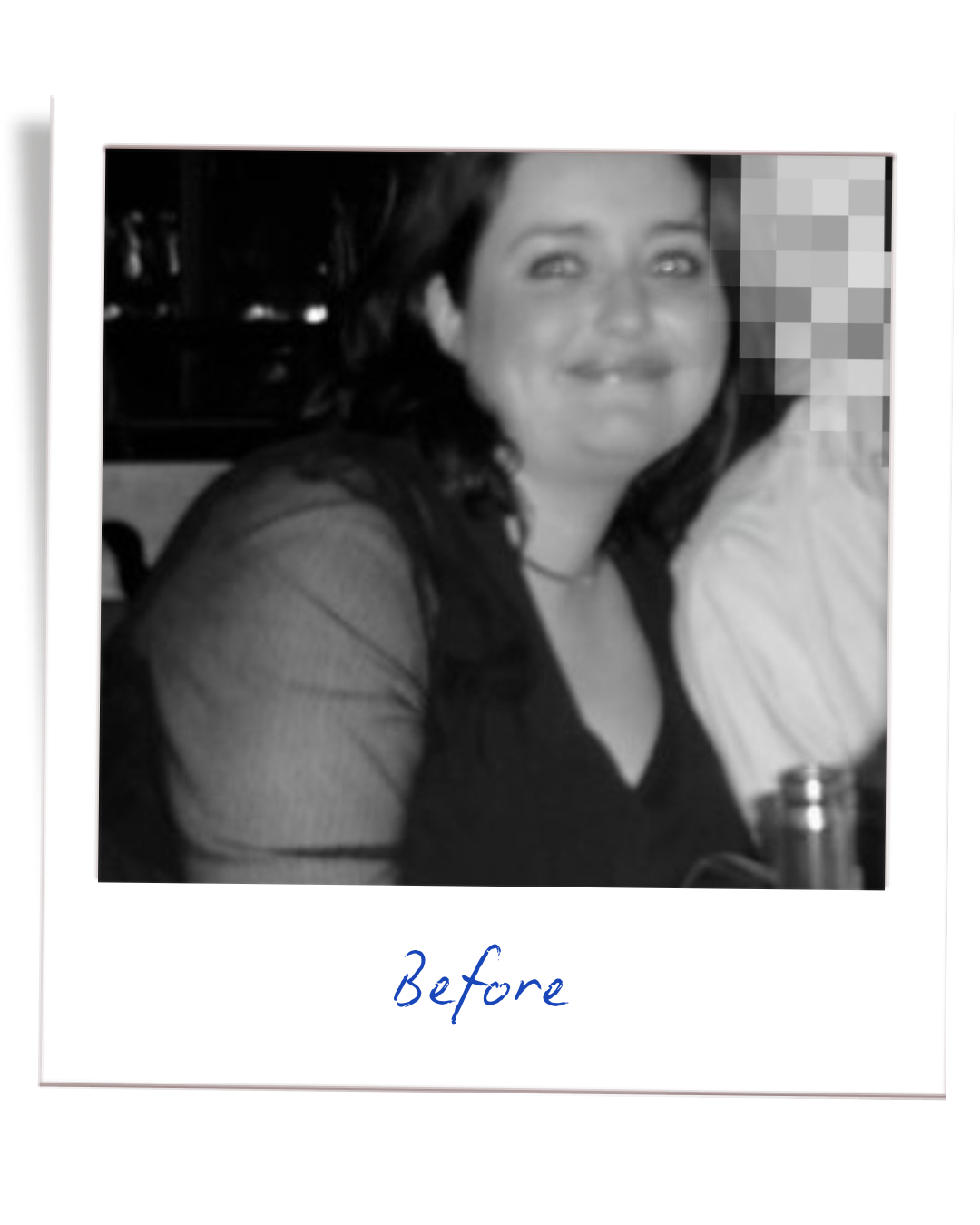
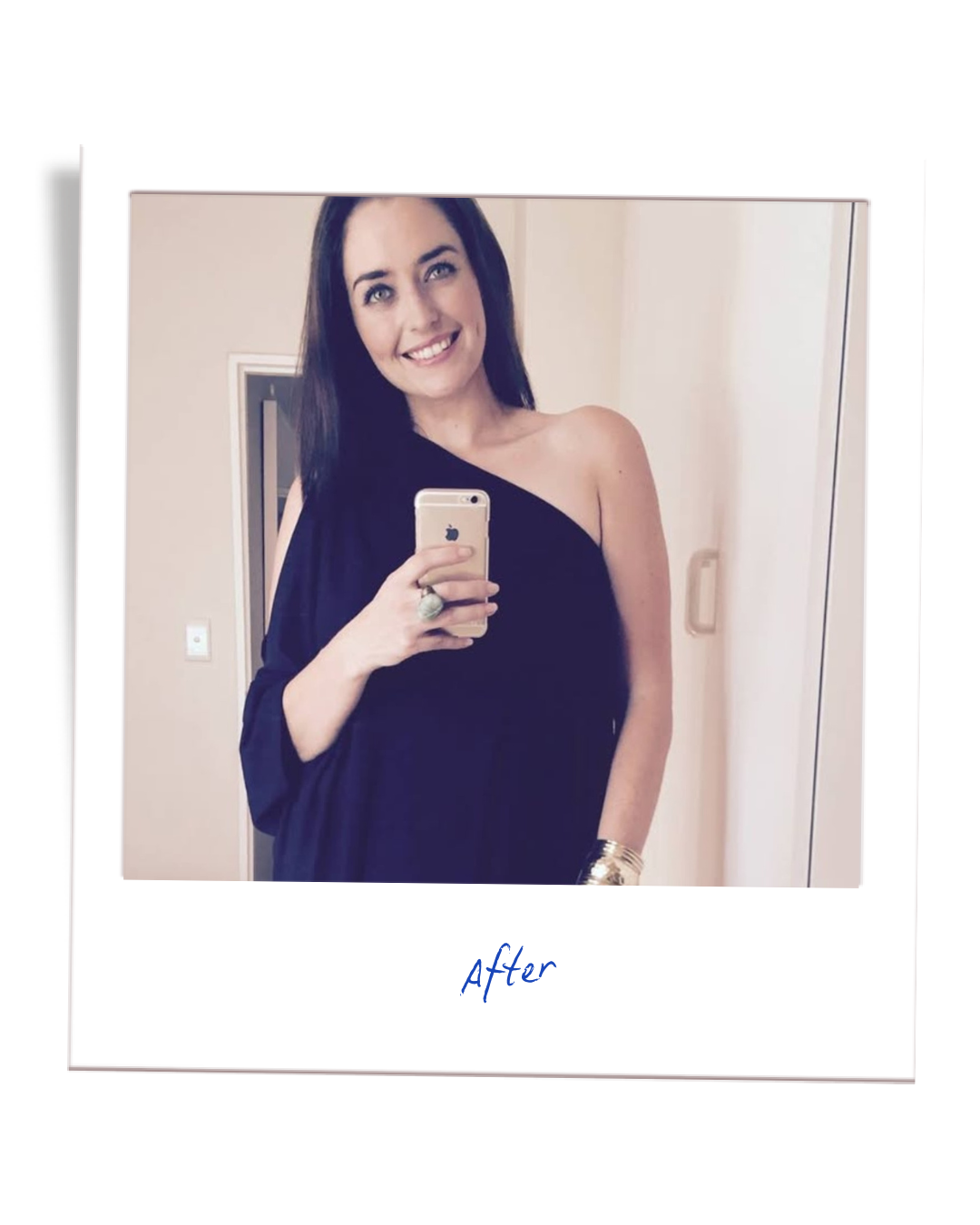
Let’s drag it out of the shadows. Let’s unpack it. Let’s get messy and curious and kind. No “before and after.” Just the middle. Just this moment. Just you, as is.
What does body respect look like for you right now? Drop it in the comments. We’re building something here.
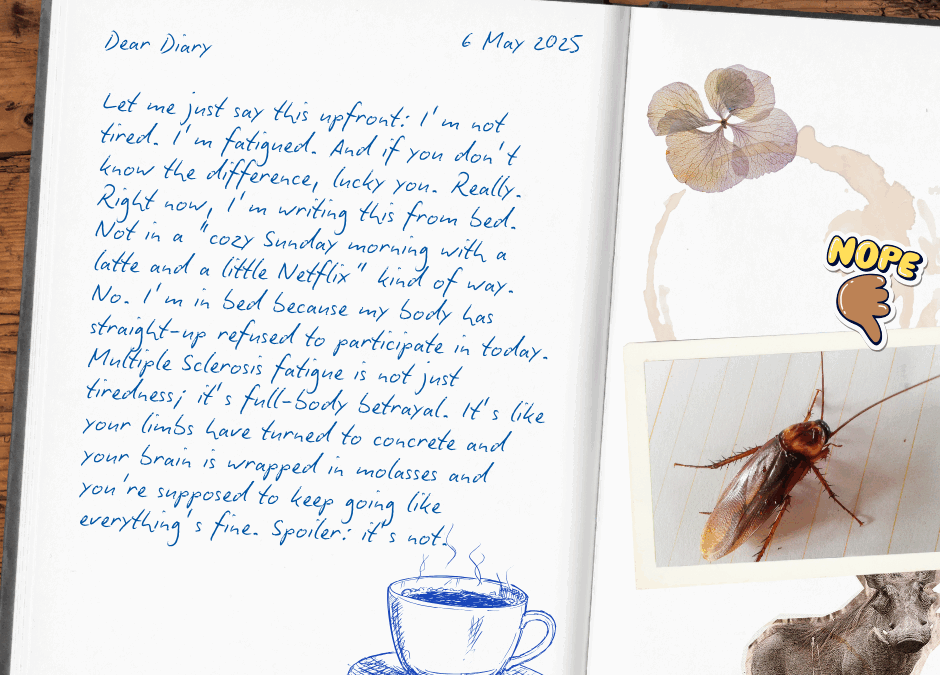
Let me just say this upfront: I’m not tired. I’m fatigued. And if you don’t know the difference, lucky you. Really.
Right now, I’m writing this from bed. Not in a “cozy Sunday morning with a latte and a little Netflix” kind of way. No. I’m in bed because my body has straight-up refused to participate in today. Multiple Sclerosis fatigue is not just tiredness; it’s full-body betrayal. It’s like your limbs have turned to concrete and your brain is wrapped in molasses and you’re supposed to keep going like everything’s fine. Spoiler: it’s not.
A doctor once explained it like this: if someone without a chronic illness wants to understand what MS fatigue feels like, they’d need to stay awake and upright for three days straight. Then try to function like a normal human. That’s the starting line.
The Daily Tradeoff: Do Something… or Everything Falls Apart
Lately, I’ve been doing too much. And when I push too hard, I pay. The interest rate on energy debt with MS is brutal. I need rest, like, non-negotiable, stop-the-world rest, but life doesn’t exactly come with a nap button.
I wish I were exaggerating when I say I need a midday nap just to function. But who the fuck has time for that? I’m not a toddler in daycare. I’m a woman with a life and deadlines and a cockroach infestation that’s slowly becoming a B-movie horror plot.
Oh Yeah, Let’s Talk About the Bugs
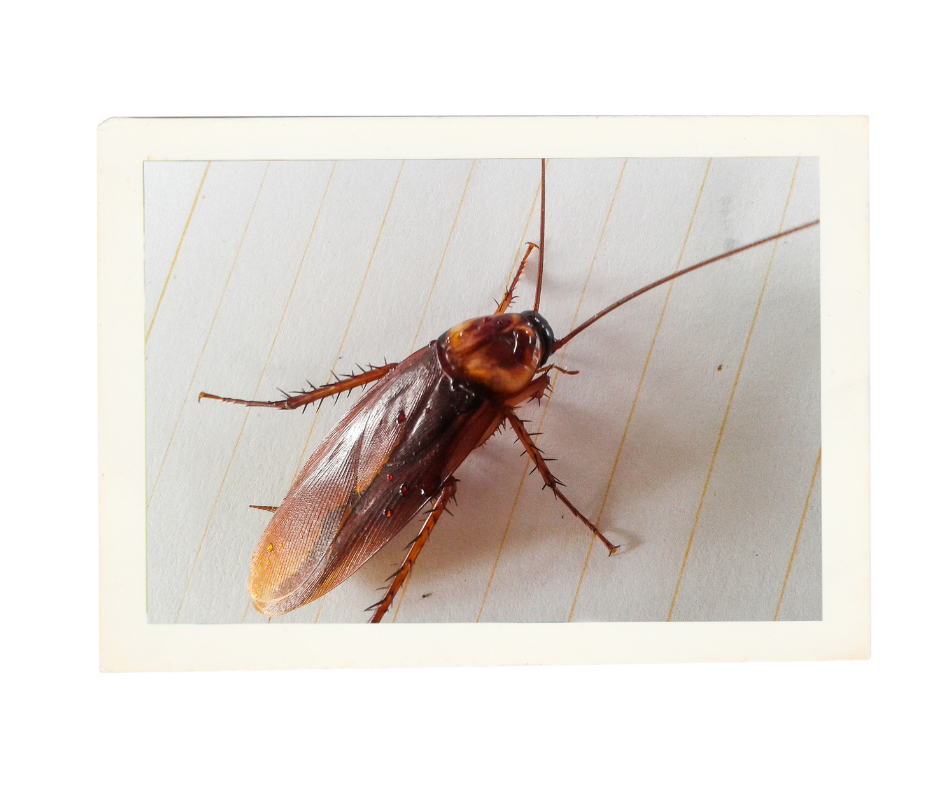
Because apparently fatigue and hunger weren’t enough, I’ve also got roaches. Big ones. The kind that have been around since the dinosaurs and act like they pay rent.
The foundation in my cottage shifted recently, which basically opened the gates of hell and invited every insect in the area to move in. Ants, roaches, you name it, they’re here. It’s a full-on wildlife convention here at Songbird Cottage. And I am not okay with it.
Last night, I was watching M*A*S*H in bed when Big Pappa Roach decided to take a stroll across my floor. Bugsy took one look, shrugged, and went back to sleep. Thanks for nothing, bro.
Love, Lattes, and Losing It
What I want more than anything right now is for my boyfriend to walk in with a cappuccino in one hand, that warm smile of his on his face, and just hold me for a minute. That kind of hug that smells like roasted coffee and promises you’re not in this alone. But no, he’s at work. And life doesn’t pause for nobody.
So I’ll get up. Slowly. I’ll do what I can. I’ll fight the roach war and do some cleaning. Bugsy will freak out over the mop and attack it. And honestly? I might give up halfway through and let him battle it while I lie back down. He’ll be proud of himself for protecting us, which will give his self-esteem a great boost.
Because this is the reality: MS fatigue isn’t lazy. It’s not optional. It’s not something you can just push through with a good attitude and positive vibes.
But still, I keep going, I try. Because I want to live. I want fruit. I want a clean house. I will not give up and I will conquer this world, one little itty bitty step at a time. And some days, just wanting is enough to get me moving. Kind of.
What about you? Ever felt like your body staged a coup and forgot to notify your plans?
Rest Like a Rebel: Why the Soft Life Still Feels So Damn Hard
Let’s talk about something no one warns you about when you start unlearning hustle culture: rest guilt.
Even now, after years of therapy and self-work, rest still makes me feel like I’m doing something wrong.
I’ll be lying down—genuinely exhausted—and my brain will whisper that old poison: You should be working. You’re wasting time. You’re falling behind.
It’s not just internal. It’s cultural. We live in a world that worships busyness and treats slowing down like a character flaw. Choosing the soft life? That’s practically a subversive act.
I used to think rest was something you had to earn
Back when I was still trying to prove I was “normal” enough to keep up with a productivity-obsessed world, I saw rest as a luxury. A reward. Something you got after you did everything else: cleared the inbox, made dinner, replied to every text, pushed through every signal your body was sending.
But here’s the thing: the list never ends. The emails don’t stop. And if you live with chronic pain, burnout, trauma, neurodivergence, or literally any human vulnerability, waiting until it’s all done means you’ll never, ever rest.
The soft life; this idea of living gently, of choosing rest and slowness over grind and self-abandonment, isn’t something I just “have.” It’s something I have to actively choose. Every single day.
Some days I choose softness. Some days I don’t.
Some days, I override every signal my body sends. I hustle. I numb out. I spiral. The voice of internalised capitalism tells me I’m lazy, and I believe it.
But on the days I do choose rest?
It changes everything; not in some dramatic, movie-montage kind of way, but in small, sacred shifts.
Like:
Letting myself wake up without rushing or doomscrolling.
Drinking tea without multitasking.
Crying in the bath without apologising to myself.
Watching something light and letting that joy be enough.
These aren’t indulgences. They’re survival. They’re the daily rituals of someone trying to live outside the grind. Someone practising rest as resistance.
Softness isn’t weakness. It’s power in a quieter voice.
We don’t talk enough about how hard it is to choose the soft life in a culture built on overwork. It’s easier to stay busy than to feel. Easier to push through than to sit with what’s underneath.
But every time you choose rest, even when it feels wrong, you’re undoing a little piece of the lie that says your worth is in your output.
You’re reclaiming your humanity.
Maybe the real revolution isn’t about never feeling rest guilt. Maybe it’s about doing it anyway. Choosing softness. Slowing down. Giving yourself care without a justification.
The world doesn’t need more burned-out people who’ve forgotten how to breathe.
It needs people who’ve come home to themselves.
People who say no without a paragraph of explanation.
People who laugh, and cry, and rest, and rage; and don’t apologise for any of it.
Still feel guilty for resting? Yeah. Me too.
You’re not alone. You’re not lazy. You’re just unlearning a system that never had your best interest at heart.
Want to explore this more? Drop a comment below and tell me: What’s your relationship with rest right now? Let’s talk about it. Let’s make softness a conversation, not a secret.
I never set out to follow Banting or go low-carb. In fact, I didn’t even know what it was. My journey into that world wasn’t about losing weight or “getting healthy”—it was pure survival.
In 2013, my life was a high-stress storm. A massive work project had me running on adrenaline, and my cat, Heathcliff, became critically ill. Pneumonia. Then an abscess on his lung. No pet insurance. The surgery costs were brutal, but Heathcliff had saved me once, and I wasn’t about to give up on him. Through the kindness of friends and strangers, I raised the funds. We got through it—but I paid the price physically. I stopped eating. A few bites of All-Bran was my daily intake. My body withered under the weight of grief and stress.
That’s when my mother introduced me to Tim Noakes and the Real Food Revolution. Whole foods. No sugar. No grains. I figured it was a good way to maintain my new (and unintentional) weight loss. Soon, I was weighing myself daily, chasing a number on a scale. It became addictive. Thus began a 10+ year affair with Banting.
The Highs: Energy and Confidence
At first, the benefits were undeniable. I had energy like never before. I exercised—something I’d never done willingly. My clothes fit better. My meals were neat little protein parcels: ham and cheese with mayo, tuna salads, perfectly roasted chicken. I loved how my body looked.
But like any toxic relationship, it started sweet… until it wasn’t.
When “Healthy” Turns Harmful
What began as a way to feel better spiraled into a full-blown eating disorder. I became obsessed. I was afraid of food. I skipped meals, told people I’d already eaten, took diuretics, over-exercised, and agonized over everything I consumed—including coffee. I believed if I could stay in control, I’d be safe. But I wasn’t.
I believe this obsession was part of what triggered my MS. My body was starving. I was malnourished. I was punishing myself. Eventually, it caught up with me.
Confidence Lost, Not Found
Ironically, the thinner I got, the more self-conscious I became. People praised my appearance, but they didn’t see the anxiety, the fear, the lies. I couldn’t eat out without panicking. I was constantly explaining my “diet.” But the truth is, I was sick—physically, emotionally, and socially isolated.
Why I’m Done with Low-Carb (For Good)
I stuck to low-carb for over a decade. Occasionally, I’d cheat with a slice of cake or a cocktail, but for the most part, I stayed strict. Then came the pandemic and two major MS flares—one that affected my mobility, and the other, my eyesight. Steroid treatments caused rapid weight gain. I gained 20kg, and this time, starvation wasn’t an option.
I couldn’t exercise the same way. I couldn’t deprive myself. My body had changed. I had changed.
Now, I’m under the care of health professionals, and my family knows the signs to look for. I want to lose 10kg—but I want to do it without breaking myself in the process.
Would I Recommend Banting?
Actually, yes. Banting isn’t inherently bad. It helped me regain energy and heal some internal issues—I even reversed a PCOS diagnosis. But Banting isn’t for everyone, especially not for someone with an obsessive nature, or for people whose relationship with food is already fragile.
Right now, my goal is simple: Eat to live. Nourish myself. Be kind to my body.
Will I miss all the cheese? Sure. But not as much as I missed peace.
Healing isn’t a neat, Pinterest-worthy process. It’s messy, unpredictable, and at times it feels like you’re going backwards. You think you’re doing better, then boom—something knocks the wind out of you, and you’re right back in that heavy place. No one really talks about that part.
There’s this glossy narrative floating around about “overcoming trauma”—as if healing is just a matter of ticking a few boxes, drinking green juice, lighting a candle, and suddenly you’re whole again. But in reality, healing is gritty work. It’s slow and it’s quiet and most of it happens behind closed doors, in the dark corners of the soul where nobody claps for you.
For me, the hardest part has been the loneliness. Even when you’re surrounded by people who care, no one else can actually crawl inside your skin and do the work for you. And when the people around you don’t quite get it—or worse, think you should be over it by now—it can make you feel even more alone. It’s not just about processing pain; it’s grieving the version of you that never got to exist. The version that didn’t get hurt. The version that felt safe in the world.
Trauma changes you. That’s not a failure—it’s just a fact. And coming to terms with that truth is its own kind of heartbreak.
And then there’s the body—oh, the body keeps score whether we want it to or not. Trauma doesn’t just live in your memories; it takes up residence in your muscles, your immune system, your sleep, your skin, your everything. I developed Multiple Sclerosis, and I believe my body finally said, “Enough.” Years of tension, unprocessed fear, self-betrayal… it adds up.
There’s also this strange guilt that creeps in when healing doesn’t follow the tidy timeline society seems to expect. We’re conditioned to believe that recovery should be linear—fast, visible, “productive.” But healing doesn’t care about your calendar. Some days you’re meditating and eating your veggies, and other days you’re crying in your car and ghosting everyone. Both days count.
And then there are the triggers—the tiny landmines that can blow a hole in your progress without warning. A smell, a song, a stupid Facebook memory. Suddenly, you’re not here anymore—you’re there, again. It’s jarring. But here’s the thing: being triggered isn’t proof you’ve failed. It’s proof you’re still healing. It’s part of learning how to live with what happened without letting it define you.
One of the strangest side effects of healing is that you might outgrow people. As you start setting boundaries and prioritising your peace, some relationships fall apart. It hurts—especially when those people once felt like your home—but it’s a necessary kind of grief. Not everyone is meant to walk with you through your healing. Some were only ever there to survive the storm, not rebuild after it.
And then there’s the fear of feeling too much. When you finally let yourself feel, it can feel like opening a floodgate. Anger, sadness, shame, rage—all the things you’ve tried so hard to outrun come rushing in. It’s overwhelming, yes. But it’s also where the magic begins. Because the only way out is through. Feeling doesn’t mean you’re falling apart—it means you’re finally listening.
Truth is, healing doesn’t mean going back to who you were before the trauma. That version of you is gone. But that doesn’t mean you’re broken. It just means you’re building someone new—someone wiser, stronger, more self-aware. Someone with roots, not just wounds.
Relearning how to trust yourself after trauma is no small feat. But it’s possible. With time, with gentleness, with truth. And maybe that’s the most powerful part of healing—not the big, dramatic breakthroughs, but the quiet decision to keep going. To get up, again and again, even when it’s hard. Especially when it’s hard.
So if you’re in the thick of it, please know: you’re not doing it wrong. It’s just that healing is hard. And you’re doing it anyway. That’s the victory.