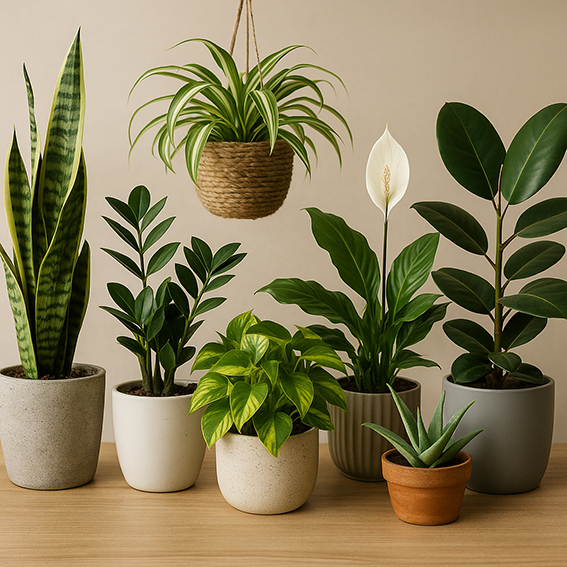
Serial Plant Killers Anonymous: 7 Houseplants Even You Can’t Murder
Step away from the plastic fern, darling—real, breathing greenery is easier than you think.
Why My Plants Used to File for Restraining Orders
True confession: I once crisped a peace lily so badly it looked like biltong. I blamed “black thumb genetics” until I learned that some plants actually like benign neglec, and many are sold right here in Mzansi through Takealot, Builders, and every Saturday-morning market between Durbanville and Durban. Research backs it up: species such as snake plant and pothos not only survive dim flats but actively scrub indoor air of volatile nasties.
Ready to stop the botanical bloodshed? Meet my magnificent seven.
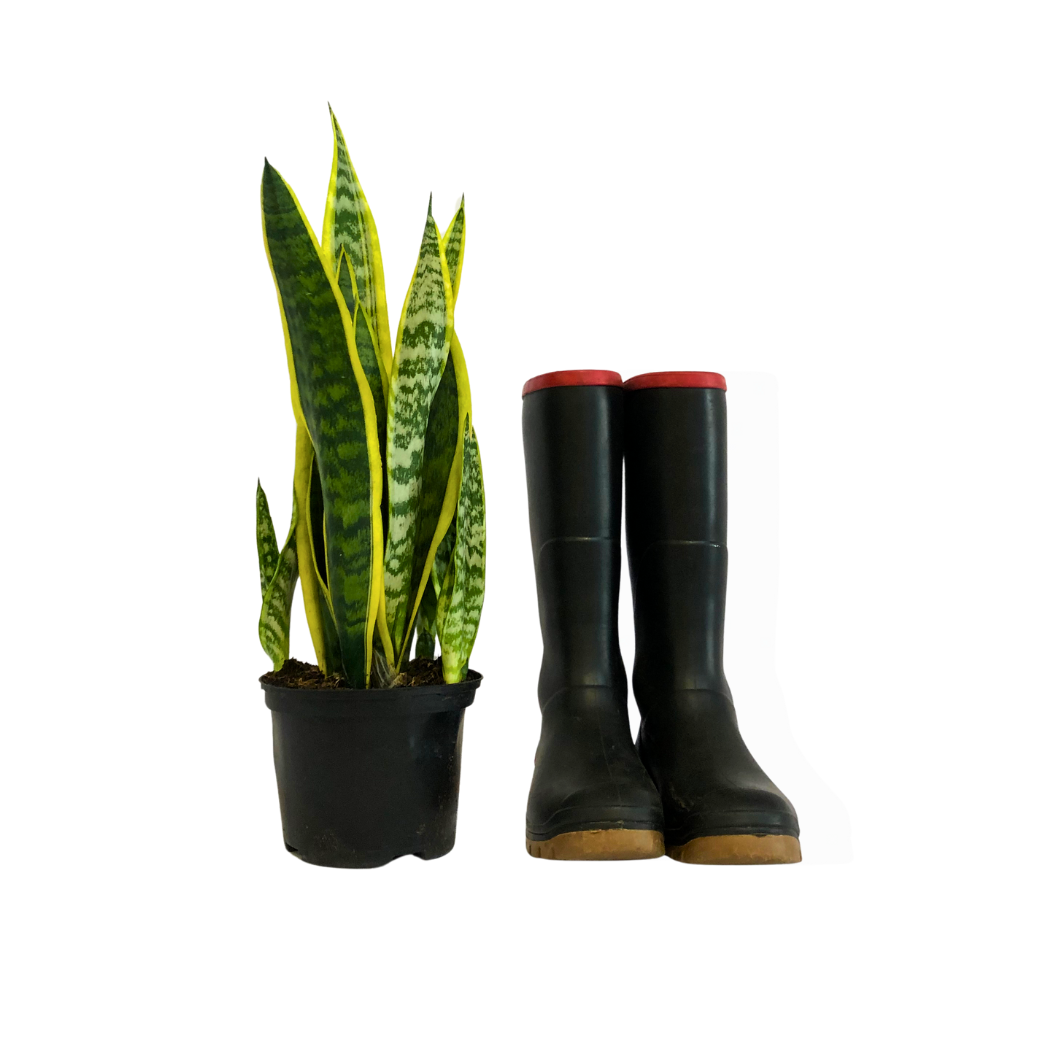
1 | Snake Plant (Sansevieria trifasciata)—The Zombie
What it wants: One cup of water a month, maybe a compliment every quarter.
Drama factor: 1/10. You could forget it behind the couch for a season; it would merely smirk and photosynthesise. NASA’s famous clean-air study put snake plants near the top for formaldehyde removal.
Buy it: R 170 for a 17 cm pot at Cape Garden Centre (ships nationwide).
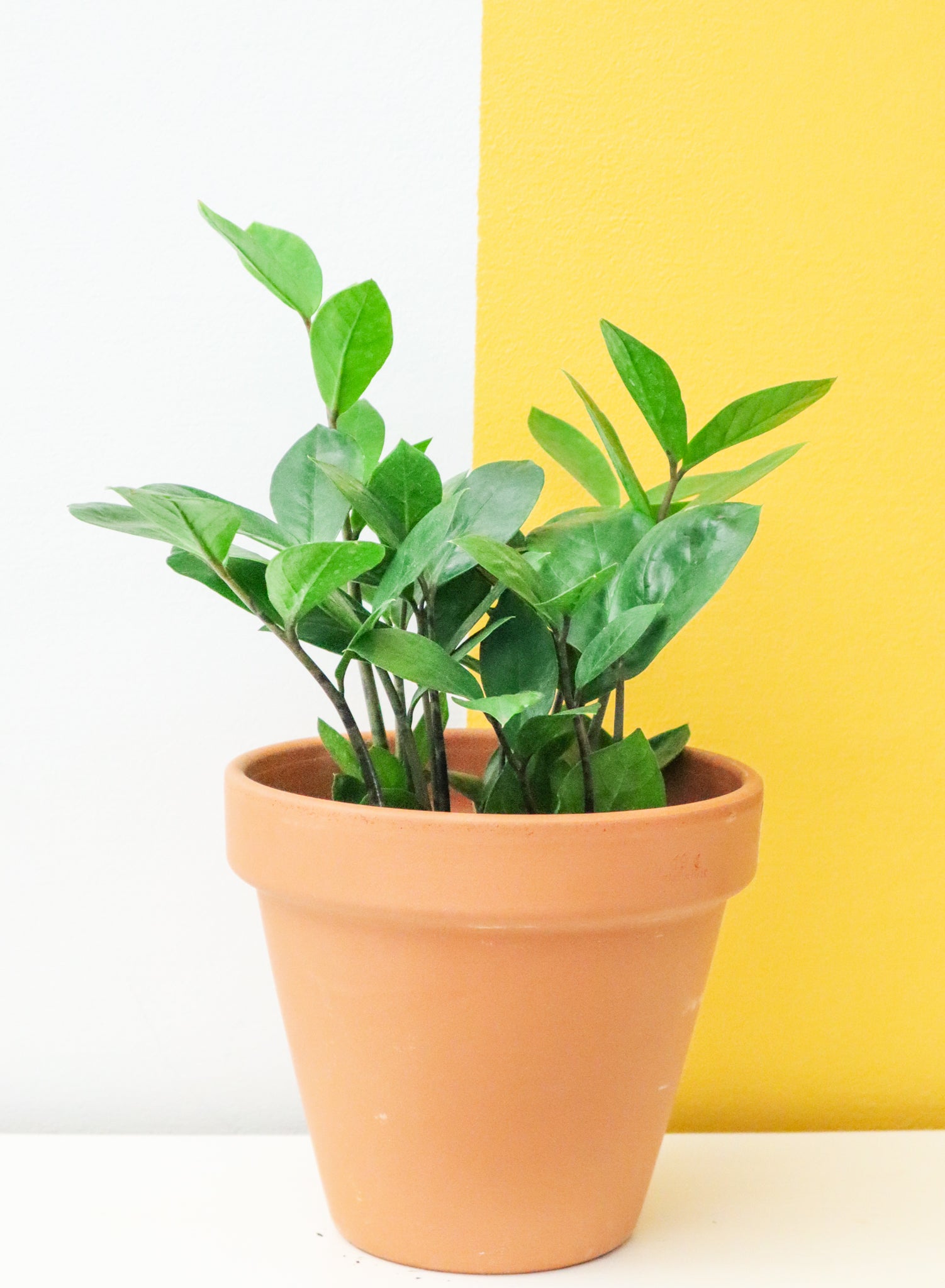
2 | ZZ Plant (Zamioculcas zamiifolia)—The Zen Master
What it wants: Low light, sporadic watering, zero gossip.
Why you’ll love it: Glossy leaves that look polished even when Eskom doesn’t power the polish cloth. Garden writers rank it among the hardiest “set-and-forget” options.
Buy it: R 200 via Happy Life Plants; arrives swaddled like a newborn.
3 | Golden Pothos (Epipremnum aureum)—The Over-Achiever
What it wants: Anything from bright-ish corner to bookshelf gloom.
Party trick: Trails of variegated leaves that forgive missed waterings the way Labradors forgive bad tennis-ball throws. Extension experts call pothos “excellent for beginners.”
Buy it: 15 cm hanging basket, R 140 on Plantify, just unbox, hang, and brag.

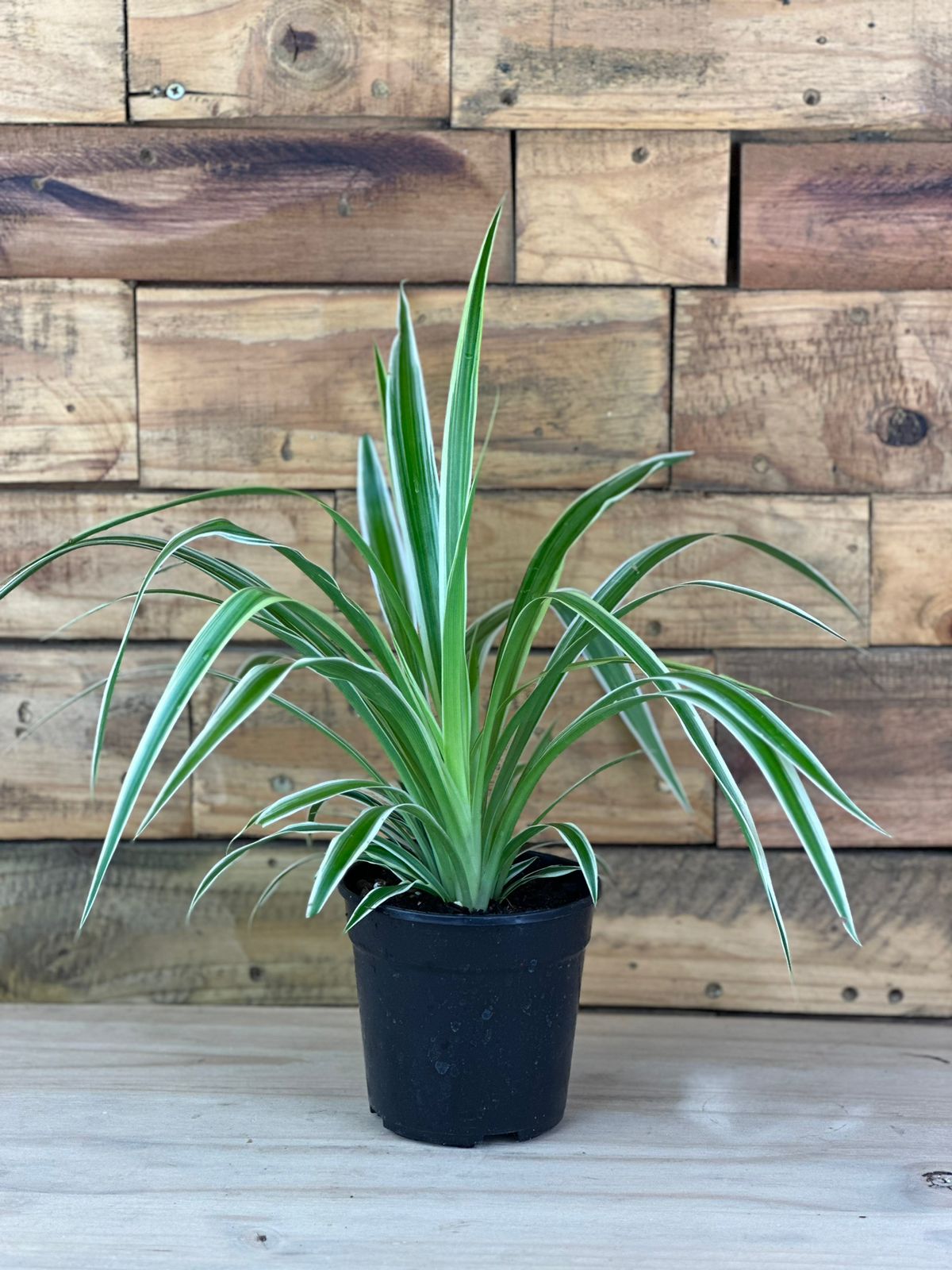
4 | Spider Plant (Chlorophytum comosum)—The Multiplying Matriarch
What it wants: Occasional sunbeam, weekly sip.
Why it’s cool: Shoots out baby “spiderettes” you can pot up and gift (or keep, no judgment). Featured in 2025 “fast-growing houseplants” round-ups for good reason.
Buy it: R 150 from Botanical Heaven, comes with two free offspring already dangling.
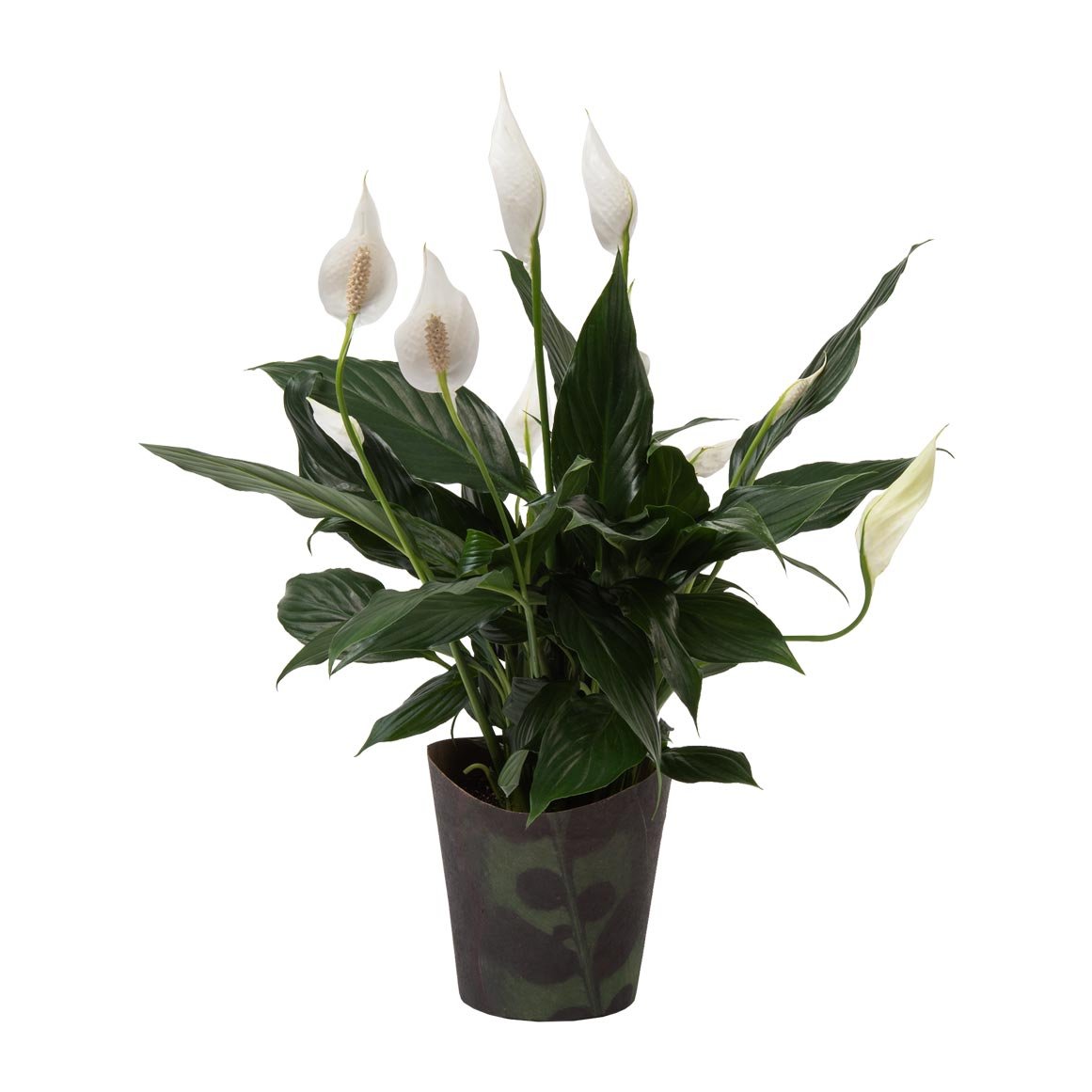
5 | Peace Lily (Spathiphyllum spp.)—The Drama Queen (But in a Good Way)
What it wants: Dappled light, evenly moist soil.
Life hack: Leaves droop when thirsty, then bounce back after watering, built-in reminder for the forgetful. South-African supermarket Woollies sells a 14 cm specimen for under R 140.
6 | Aloe Vera—The Medic
What it wants: Bright light, sandy soil, the odd sunburned human to rescue.
Bonus: Gel inside treats minor burns and mosquito bites, first-aid kit on a stem. Gardening mags list aloe among 2025’s “best low-light succulents.”
Buy it: Builders Warehouse, R 79 per chunky starter.

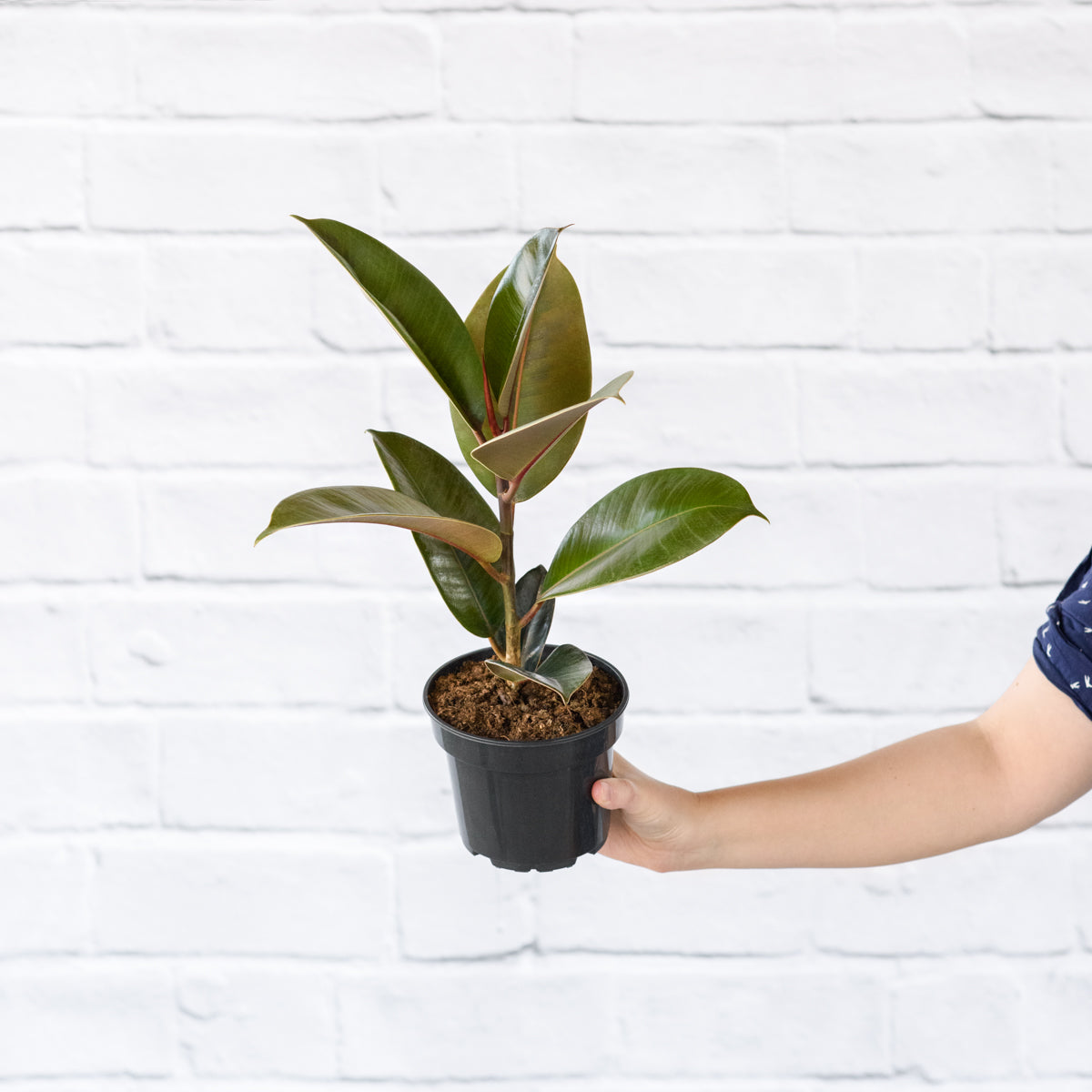
7 | Rubber Plant (Ficus elastica)—The Statement Piece
What it wants: Indirect light, fortnightly water, occasional leaf-wipe (it’s vain like that).
Reward: Insta-worthy glossy foliage that says “I’ve got my life together” even if you’re Googling “load-shedding dinner ideas.” Decofurn sells a 15 cm potted stunner for R 175.00 from Plantify.
Quick-Start Care Plan (No Latin Required)
- Light: If you can read without squinting, the plant’s fine.
- Water: Finger test, soil dry 3 cm down? Water. Still damp? Step away.
- Food: A slow-release pellet every spring; skip if you forget, nobody dies.
- Pots: Drainage holes are non-negotiable; saucers catch the guilt.
Do that, and you’ll be the smug friend doling out baby spider plants by Christmas.